
Workers face acrylamide residue hazards when operating in environments where acrylamide is present. These hazards can cause serious health problems, including nerve damage and an increased risk of cancer. It is important to understand acrylamide residue hazards to protect against occupational exposure and to follow safety rules.

Acrylamide Residue Hazards Overview
What Are Acrylamide Residues
Many people wonder what acrylamide is and why it matters in the workplace. Acrylamide is a chemical compound that forms as a byproduct in many industrial processes. Acrylamide residues refer to traces of this substance left behind on surfaces, equipment, or in the air after handling or manufacturing.
Why Acrylamide Is Hazardous
It is important to understand why acrylamide is dangerous. Acrylamide is considered a poison due to its toxic effects on the nervous system and other organs. Regulatory bodies place acrylamide in hazard classes for acute toxicity, chronic health effects, and environmental danger.
Acrylamide can cause symptoms like headaches, dizziness, and numbness. You may experience these effects after exposure to acrylamide residues. Acrylamide also increases your risk for long-term health problems, including cancer.
| Hazard Class | Description |
|---|---|
| Acute Toxicity | Causes immediate health effects |
| Chronic Toxicity | Leads to long-term health issues |
| Environmental Hazard | Damages ecosystems |
Acrylamide must be treated as a serious workplace hazard. Acrylamide residues can contaminate surfaces and equipment, making exposure possible even after the main process ends.
Workplace Relevance
Acrylamide residue hazards are encountered across many industries. Chemical manufacturing, water treatment, and laboratory work often involve acrylamide. You must understand what is acrylamide to identify risks in your daily tasks.
- Stay alert for acrylamide residues on surfaces and in the air.
- Use proper protective gear when handling acrylamide.
- Report any spills or contamination to your supervisor.
You play a key role in preventing acrylamide exposure. Acrylamide residue hazards affect everyone in your workplace. You must stay informed and follow regulations to keep your environment safe.
Sources of Acrylamide Residue
Industries with Acrylamide Use
Acrylamide is encountered in several industries, which represent major sources of exposure in workplace environments. Recognizing these sources is essential to protect yourself from potential acrylamide hazards.
Chemical Manufacturing
Workers in chemical manufacturing plants handle acrylamide during polymer production and synthesis. Equipment and surfaces often retain acrylamide residues after processing.
Water Treatment
You find acrylamide in water treatment facilities. Acrylamide helps create polyacrylamide, which aids in water purification. Residues can build up on tanks, pipes, and filters.
Paper and Textile
Acrylamide is used in paper and textile industries to improve paper strength and textile properties. Machines and workspaces may contain acrylamide residues after production.
Laboratories
You handle acrylamide in laboratories. Acrylamide forms gels for electrophoresis and other experiments. Laboratory benches, tools, and protective gear can become sources of acrylamide residue.
Workplace Processes Generating Residue
Acrylamide residues are generated during many workplace processes. Mixing, transferring, and disposing of acrylamide create sources of contamination, while cleaning and maintenance activities can also spread these residues.
- Spilling acrylamide solutions can occur during preparation.
- Transferring acrylamide between containers may leave traces.
- Disposing of acrylamide waste can increase residue risks.
You must monitor these processes closely. You identify sources of acrylamide residue by inspecting equipment and work areas. You protect yourself by following safe handling procedures.
| Process | Residue Risk Level | Common Locations |
|---|---|---|
| Mixing | High | Workbenches, containers |
| Transferring | Medium | Pumps, hoses |
| Disposal | High | Waste bins, drains |
| Cleaning | Medium | Mops, cloths |
It’s important to remember that food sources of acrylamide exist, but workplace sources pose greater risks. Focus on controlling acrylamide residues in the work environment.
Workers play a key role in reducing acrylamide hazards by identifying major sources and taking steps to minimize exposure. Staying alert to potential sources of acrylamide every day helps maintain a safer workplace.
Acrylamide Exposure Routes
Inhalation
You face a major risk of acrylamide exposure through inhalation. Acrylamide can become airborne as dust or vapor during mixing, heating, or handling. You breathe in these particles, which enter your lungs and bloodstream quickly.
Skin Contact and Absorption
Acrylamide exposure can occur when skin touches contaminated surfaces or solutions. It absorbs through the skin and enters the body. Exposure may not be immediately noticeable, but it can cause irritation or more serious health effects.
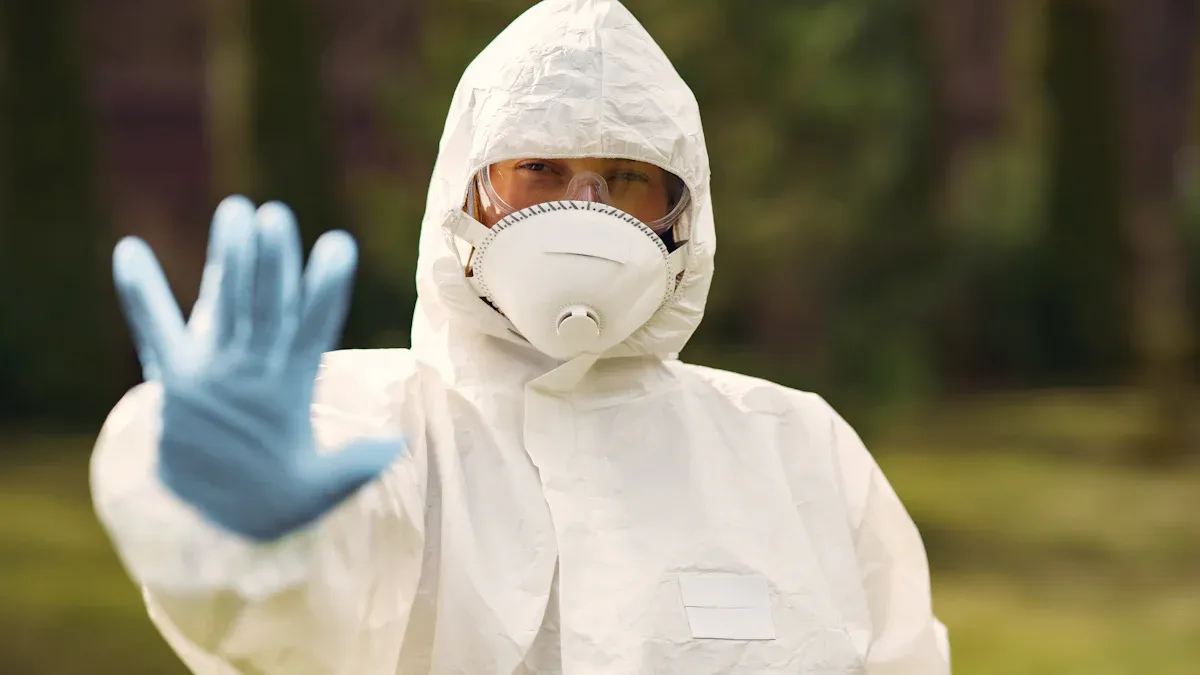
Gloves, lab coats, and other protective clothing should be worn. Hands and exposed skin must be washed after handling acrylamide, and spills should be cleaned immediately to prevent contact.
Ingestion
Acrylamide exposure can occur if contaminated materials are accidentally ingested. It can transfer from hands to the mouth when eating, drinking, or smoking in the work area. Residues left on surfaces or equipment may also be swallowed.
Never eat or drink in areas where acrylamide is present. Hands should be washed thoroughly before meals and breaks, and food and beverages should be stored away from workspaces with acrylamide.
| Exposure Route | Risk Level | Prevention Method |
|---|---|---|
| Inhalation | High | Ventilation, masks |
| Skin Contact | Medium | Gloves, washing |
| Ingestion | Medium | Hygiene, no eating at work |
You must stay alert to all acrylamide exposure routes. You protect your health by following safety protocols and reporting hazards.
High-Risk Activities
Greater acrylamide exposure occurs during certain workplace activities, increasing the risk of inhalation, skin contact, or ingestion. Recognizing these tasks is essential for protecting yourself and coworkers.
Handling acrylamide solutions during chemical mixing can lead to spills or splashes. Wearing gloves and goggles helps reduce exposure.
Cleaning equipment and surfaces after acrylamide use may involve contact with contaminated tools or spilled material. Proper cleaning methods and safe waste disposal are required.
Transferring acrylamide between containers carries a risk of spills and leaks. Inspecting containers for damage before starting work is important.
Disposing of acrylamide waste involves handling bins, drains, or storage tanks. Following disposal guidelines prevents environmental contamination.
Performing maintenance on machines that use acrylamide can expose residues inside pumps, hoses, or filters. Wearing protective clothing and washing hands afterward is necessary.
Working in poorly ventilated areas increases inhalation risk of acrylamide dust or vapor. Using masks and ensuring proper airflow helps mitigate exposure.
| Activity | Exposure Risk | Recommended Protection |
|---|---|---|
| Mixing chemicals | High | Gloves, goggles |
| Cleaning surfaces | Medium | Protective clothing |
| Transferring acrylamide | High | Check containers, gloves |
| Waste disposal | High | Follow disposal rules |
| Maintenance | Medium | Wash hands, wear PPE |
| Poor ventilation | High | Masks, ventilation |
You must stay alert during high-risk activities. You protect your health by following safety protocols. You help create a safer workplace for everyone.
Acrylamide Health Risks
Acute Effects
Exposure to acrylamide can cause acute effects soon after contact, appearing within hours or days. Symptoms may include skin irritation, redness, or blistering, as well as headaches, dizziness, or weakness. Nausea or vomiting can also occur.
Inhaling acrylamide dust or vapor can lead to respiratory problems, such as coughing or shortness of breath. Proper ventilation and wearing masks help reduce this risk.
Direct contact with acrylamide residues on the skin can cause irritation. Washing hands, using gloves, and avoiding eating or drinking in contaminated areas are essential precautions.
| Acute Effect | Possible Cause | Prevention Tip |
|---|---|---|
| Skin irritation | Direct contact | Wear gloves |
| Headache | Inhalation | Use ventilation |
| Nausea | Ingestion | Practice hygiene |
You must stay alert for signs of acute acrylamide exposure. You protect your health by following safety protocols.
Chronic Effects
Chronic effects can occur if repeated acrylamide exposure happens over time. These effects develop slowly and may last for months or years, with possible numbness, tingling, or muscle weakness. Exposure to acrylamide can sometimes lead to weight loss or fatigue.
There may also be a higher risk for cancer. Epidemiologic studies show links between acrylamide and certain cancers, so following workplace safety rules is essential to reduce risk.
Long-term exposure can bring changes in health. Monitoring symptoms and seeking medical advice if problems appear is important.
Workers in industries using acrylamide should follow exposure limits and use protective equipment. Risk can be reduced by cleaning surfaces and equipment regularly.
| Chronic Effect | Duration | Prevention Tip |
|---|---|---|
| Numbness | Months to years | Limit exposure |
| Muscle weakness | Long-term | Use PPE |
| Cancer risk | Years | Monitor health |
You must stay informed about chronic acrylamide health risks. You protect yourself and your coworkers by staying vigilant.
Neurological Damage
Exposure to acrylamide can cause neurological damage. It affects the nervous system and can lead to serious health effects, such as loss of coordination, tremors, or difficulty walking. Epidemiologic studies and research show that acrylamide can damage nerve cells, potentially causing memory problems or trouble concentrating. Any neurological symptoms should be reported to a supervisor.
Workers handling acrylamide daily may face higher risks. Using protective gear and following safe work practices helps protect the nervous system by minimizing exposure.
Changes in task performance may occur, so staying alert for signs of neurological damage is important. Sharing information about acrylamide risks contributes to a safer workplace.
| Neurological Effect | Symptom | Prevention Tip |
|---|---|---|
| Loss of coordination | Difficulty walking | Use PPE |
| Tremors | Shaking hands | Limit exposure |
| Memory problems | Forgetfulness | Monitor health |
You must understand the risks of acrylamide exposure. You protect your health by following safety guidelines and reporting symptoms.
Sensitization and Reproductive Risks
Working with acrylamide carries sensitization risks. Sensitization means the body reacts strongly after repeated exposure, potentially causing allergic reactions such as skin rashes or breathing problems.
Sensitization can occur through skin contact or inhalation. Acrylamide can trigger the immune system, and symptoms may appear after touching contaminated surfaces or inhaling acrylamide dust.
| Sensitization Symptom | Possible Cause | Prevention Tip |
|---|---|---|
| Skin rash | Direct contact | Wear gloves |
| Breathing problems | Inhalation | Use masks |
| Swelling | Repeated exposure | Limit contact |
Exposure to acrylamide requires protection from sensitization. Personal protective equipment should be used, hygiene practices followed, and workspaces cleaned to reduce residue.
Acrylamide also poses reproductive risks. Long-term exposure may lead to fertility problems or harm to unborn children, according to studies.
Daily work with acrylamide increases the risk of reproductive health issues. It can damage sperm or eggs, and changes in reproductive health may occur after prolonged exposure.
Following safety guidelines is essential to protect reproductive health. Protective gear should be worn, unnecessary exposure avoided, and any health concerns reported to a supervisor.
| Reproductive Risk | Effect on Health | Prevention Tip |
|---|---|---|
| Fertility problems | Reduced sperm/egg | Use PPE |
| Harm to unborn child | Development issues | Limit exposure |
You play a key role in preventing sensitization and reproductive risks. You stay informed and follow workplace safety rules. You help create a safer environment for yourself and your coworkers.
Acrylamide and Cancer Risk

Association Between Acrylamide and Cancer
The association between acrylamide and cancer may raise concerns. Scientists have studied acrylamide for many years, and research shows that long-term exposure can increase cancer risk.
Acrylamide is present in many workplace environments. Studies link it to several types of cancer, including those affecting the nervous system and reproductive organs. It’s important to note that the strongest evidence for this association comes from animal studies.
Does Acrylamide Cause Cancer
It’s natural to ask: does acrylamide cause cancer? Evidence suggests that acrylamide can act as a carcinogen in animals. Daily work with acrylamide may increase cancer risk.
Scientists have not proven that acrylamide causes cancer in humans. Some studies show a possible link, but results are not always clear. Following safety guidelines can help reduce exposure and lower cancer risk.
| Question | Answer |
|---|---|
| Does acrylamide cause cancer? | Evidence suggests a possible link |
| Is acrylamide a carcinogen? | Yes, in animal studies |
| Can you reduce cancer risk? | Yes, by limiting exposure |
You protect yourself by using personal protective equipment and following workplace rules. You must report any health concerns to your supervisor.
Regulatory Classifications
It’s important to understand how regulatory agencies classify acrylamide. Organizations like the Environmental Protection Agency and the International Agency for Research on Cancer label acrylamide as a probable carcinogen. Following strict exposure limits helps reduce cancer risk.
Acrylamide is listed as a hazardous substance in safety regulations. Agencies set guidelines to prevent dangerous levels of exposure. Staying updated on workplace standards and reporting any violations is essential.
Protecting yourself and your coworkers means staying informed about acrylamide regulations. Always ask questions if any rules are unclear.
Identifying and Controlling Acrylamide Hazards
Monitoring and Detection
Acrylamide hazards must be monitored in the workplace. Detection methods can be used to find acrylamide residues on surfaces, in the air, or in water, including test kits, sensors, or laboratory analysis.
Workspaces should be inspected regularly, with findings recorded and any unusual results reported. Early identification of hazards helps prevent exposure.
Exposure Limits and Standards
It’s important to know the rules for acrylamide exposure. Regulatory agencies set limits to keep everyone safe, and these standards must be followed to avoid health risks.
Check the acceptable level of acrylamide exposure in the workplace, compare monitoring results to these limits, and report any readings above the standard to a supervisor.
| Agency | Exposure Limit (mg/m³) | Purpose |
|---|---|---|
| OSHA | 0.03 | Worker safety |
| EPA | 0.001 | Environmental protection |
| Local Regulations | Varies | Compliance |
You must stay updated on changes to exposure limits. You help maintain a safe environment by following these rules.
Engineering Controls
Acrylamide hazards can be reduced with engineering controls. Installing ventilation systems removes acrylamide vapors and dust, and using closed systems helps handle acrylamide safely.
Exposure to acrylamide can be minimized by using automated equipment, separating work areas with barriers, and maintaining equipment to prevent leaks and spills.
Can acrylamide be avoided in daily tasks? Risks are minimized by applying proper controls and following safety guidelines.
Personal Protective Equipment (PPE)
Personal protective equipment (PPE) must be used when working with acrylamide. PPE acts as the last line of defense against exposure, so it’s important to choose the right gear for each task.
Chemical-resistant gloves should be worn. Nitrile or neoprene gloves protect hands from acrylamide contact and should be checked for holes or tears before use.
Safety goggles or face shields are essential. They protect eyes from splashes and dust, and eye protection should always be worn when handling acrylamide solutions.
Lab coats or coveralls must be worn. Protective clothing keeps acrylamide off the skin and regular clothes, and contaminated clothing should be removed immediately.
A respirator may be necessary when working in areas with poor ventilation. Respirators prevent inhalation of acrylamide dust or vapor and must fit properly and be approved for chemical use.
Here is a quick guide to PPE for acrylamide:
| PPE Item | Protection Provided | When to Use |
|---|---|---|
| Gloves | Hand protection | Handling chemicals |
| Goggles/Face Shield | Eye/face protection | Mixing or pouring solutions |
| Lab Coat/Coverall | Skin/body protection | Any acrylamide task |
| Respirator | Breathing protection | Poor ventilation areas |
You must store PPE in a clean, dry place. You should never share personal protective equipment with others. You keep yourself safe by using the right PPE every time.
Safe Work Practices
Safe work practices must be followed to control acrylamide hazards. Good habits help prevent accidents and reduce exposure.
Keep your workspace clean and organized. Wipe down surfaces after handling acrylamide and dispose of waste in labeled containers.
Never eat, drink, or smoke in areas where acrylamide is present. Wash hands before breaks and after finishing work. Store food and drinks away from chemical areas.
Label all containers clearly and use warning signs to alert others about acrylamide hazards. Report spills or leaks to your supervisor immediately.
Follow written procedures for handling, transferring, and disposing of acrylamide. Review safety data sheets (SDS) before starting new tasks and ask questions if any step is unclear.
Here are some safe work practices to remember:
- Clean up spills immediately.
- Use tools and equipment designed for chemical handling.
- Keep emergency contact numbers posted in your work area.
You protect yourself and your coworkers by following these safe work practices every day.
Training and Responsibilities
Worker Training
Proper training is essential before handling acrylamide. It helps workers understand the risks and safe practices, including how acrylamide exposure can affect health, such as the risk of cancer.
Training should cover the use of personal protective equipment, safe cleanup of spills, and proper disposal of waste. It also teaches how to recognize symptoms of exposure.
Employer Duties
Your employer must provide a safe workplace. Employers must give you the right equipment and clear instructions. They must make sure you receive training about acrylamide hazards.
Employers need to monitor acrylamide levels in the air and on surfaces. They must keep records of training and exposure. Employers must update safety procedures when new information becomes available.
| Employer Duty | Why It Matters |
|---|---|
| Provide PPE | Reduces exposure risk |
| Offer regular training | Keeps you informed |
| Monitor acrylamide levels | Prevents health problems |
| Update safety procedures | Responds to new hazards |
Reporting and Communication
- Report all incidents to your supervisor.
- Share information with your team.
- Stay updated on workplace safety news.
Conclusion
Acrylamide residue hazards pose serious health risks in workplace environments, including neurological damage and increased cancer risk. Understanding these hazards, identifying high-risk activities, and following proper safety protocols—including personal protective equipment, engineering controls, and safe work practices—are essential for minimizing exposure. By staying informed and vigilant, workers and employers can effectively manage acrylamide residue hazards, ensuring a safer, healthier, and compliant workplace for everyone.


