
Polyacrylamide safety receives strong recognition in industrial settings. Its properties include low toxicity, minimal absorption, and chemical stability. Regulatory reviews confirm that typical acrylamide levels remain low, which helps maintain high safety standards. These properties support its acceptance across industries. The properties of polyacrylamide limit risks, as proper management of acrylamide and adherence to safety guidelines protect workers and the environment.

Polyacrylamide Safety Overview
Chemical Stability
Polyacrylamide shows strong chemical stability due to its high molecular weight. This property means it does not break down easily under normal industrial conditions. Its stability helps maintain polyacrylamide safety in processes like water treatment and agriculture.
The polymer’s structure limits its absorption into living tissues. This reduces the risk of harmful effects from exposure. Most industrial uses rely on these properties to ensure safety for workers and the environment.
Low Toxicity
Polyacrylamide has low toxicity because it does not easily enter the body or react with biological systems. The high molecular weight prevents it from passing through skin or cell membranes. This property supports its use in products like cosmetics and biomedical applications.
Residual acrylamide, a potential concern, is kept at very low levels during manufacturing. Strict controls ensure that acrylamide content remains below safety limits. These measures protect both workers and end users.
Polyacrylamide safety is supported by scientific studies and regulatory reviews. These confirm that the polymer’s properties make it safe for use in water treatment, agriculture, and biomedical applications.
Industrial Applications
Polyacrylamide serves as a flocculant and coagulant aid in water treatment. It helps remove particles and impurities from water, making it safer for consumption and use. The polymer’s properties allow it to bind with contaminants and form larger particles that can be filtered out.
In agriculture, polyacrylamide improves soil structure and reduces erosion. This leads to agriculture benefits such as better water retention and healthier crops. The use of polyacrylamide in agriculture also supports environmental safety by limiting runoff.
Biomedical applications rely on the polymer’s stability and low toxicity. Polyacrylamide is used in laboratory research, drug delivery, and medical devices. Its role as a flocculant and coagulant aid extends to these fields, where purity and safety are critical.
| Application Area | Role of Polyacrylamide | Key Properties Utilized |
|---|---|---|
| Water Treatment | Flocculant, Coagulant Aid | High molecular weight, stability, low toxicity |
| Agriculture | Soil conditioner, erosion control | Low absorption, environmental safety |
| Biomedical Applications | Gel matrix, drug delivery, research | Chemical stability, purity, low toxicity |
Risk Management and Safety
Residual Acrylamide Control
Acrylamide is a small molecule that can remain in polyacrylamide after production. Manufacturers use advanced purification methods to keep acrylamide levels very low. Most industrial wastewater treatment processes require polyacrylamide with less than 0.05% acrylamide content.
Strict monitoring ensures that acrylamide does not exceed safety limits. Regular testing helps protect workers and the environment. These controls are important for agriculture and water treatment applications.
Safe Manufacturing
Safe manufacturing starts with careful selection of raw materials. Production facilities use closed systems to prevent acrylamide exposure. Automated equipment reduces direct contact between workers and chemicals.
Quality control teams test each batch for purity and safety. They monitor properties like molecular weight and residual acrylamide. These steps help maintain polyacrylamide safety in every product.
Manufacturers follow strict guidelines to protect both workers and the environment. They use ventilation systems and personal protective equipment. These practices lower the risk of accidental exposure.
Application Practices
Proper application practices are essential for safety in industrial wastewater treatment and agriculture. Workers receive training on safe handling and storage. They use protective gloves and masks when working with polyacrylamide.
In agriculture, polyacrylamide is applied at recommended rates to avoid overuse. This helps maintain soil health and protects crops. In industrial wastewater treatment, operators follow dosing guidelines to ensure effective treatment and minimize risks.
The properties of polyacrylamide, such as high molecular weight and low absorption, support safe use in many industries. Regular reviews and updates to safety procedures help address new challenges. These efforts ensure that polyacrylamide continues to play a safe role in industrial processes.

Regulations and Compliance
Industry Standards
Many industries follow strict standards when using polyacrylamide. These standards focus on the properties of the polymer, such as purity and molecular weight. Organizations like the American Water Works Association and the Food and Agriculture Organization set guidelines for safe use.
Manufacturers must meet these requirements before selling their products. Standards help control acrylamide levels and ensure that the properties of polyacrylamide match safety expectations. This process protects both workers and the environment.
Regulatory Reviews
Government agencies review polyacrylamide safety before allowing its use in water treatment, agriculture, and other fields. These reviews examine the properties of the polymer and the risks linked to acrylamide. Agencies such as the Environmental Protection Agency and the European Food Safety Authority conduct regular assessments.
Regulatory reviews focus on the amount of acrylamide left in the final product. They also check how the properties of polyacrylamide affect its behavior in the environment. These reviews help confirm that safety measures are effective.
Monitoring Procedures
Ongoing monitoring is essential for maintaining safety. Companies test each batch of polyacrylamide for acrylamide content and other important properties. Regular checks help identify any changes that could affect safety.
Many facilities use automated systems to track the properties of polyacrylamide during production. Workers receive training to spot potential issues and respond quickly. Monitoring procedures ensure that acrylamide levels stay within safe limits at all times.
Key monitoring steps include:
- Batch testing for acrylamide
- Checking polymer properties
- Worker training and safety drills
Evidence and Case Studies
Scientific Studies
Researchers have studied the properties of polyacrylamide in many laboratory settings. These studies show that the polymer’s high molecular weight limits absorption and reduces toxicity. Scientists have also tested polyacrylamide in drug delivery systems, confirming its stability and safety when used with low acrylamide content.
Acrylamide is monitored closely in these experiments. Results show that when the properties of polyacrylamide are controlled, the risk from acrylamide remains low. Many scientific papers highlight the use of polyacrylamide in drug delivery systems because of its reliable properties.
Industry Data
Industry data provides real-world evidence of polyacrylamide safety. Companies track the properties of each batch, including acrylamide levels. Reports show that most products meet strict safety standards.
Polyacrylamide is used in drug delivery systems, water treatment, and agriculture. Industry records confirm that the properties of the polymer remain stable during use. Data also shows that acrylamide levels stay within safe limits.
Key points from industry data:
- Consistent properties across batches
- Low acrylamide content
- Safe use in drug delivery systems
Long-Term Use
Polyacrylamide has a long history in industrial and medical fields. Its properties have been tested over many years in drug delivery systems and other applications. Long-term monitoring shows that acrylamide exposure remains low when safety guidelines are followed.
Many industries trust polyacrylamide because of its proven properties. The use of polyacrylamide in drug delivery systems continues to grow as more evidence supports its safety. Ongoing studies and industry data help maintain confidence in its use.
Safety and Handling Guidelines
Storage and Transport
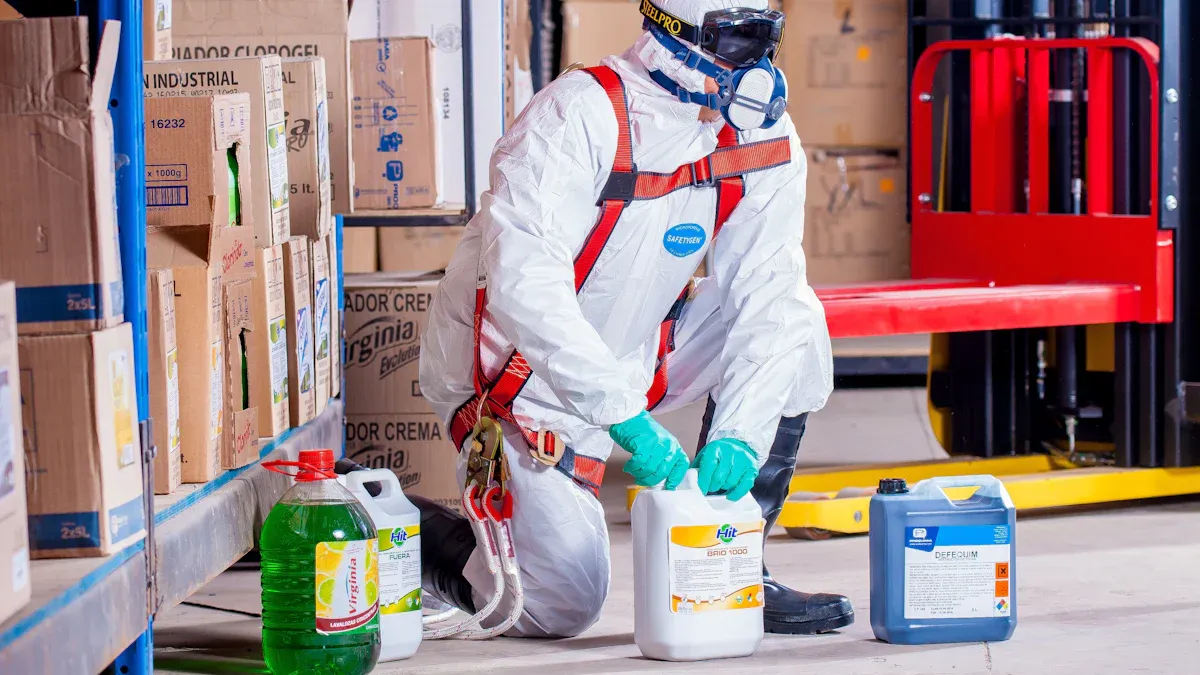
Proper storage and transport are important for safety and handling of polyacrylamide. Facilities store polyacrylamide in sealed containers to prevent moisture absorption. Workers keep these containers in cool, dry areas away from direct sunlight.
During transport, teams secure containers to avoid spills. They label all packages with clear instructions for handling. This reduces the risk of accidents and protects the environment.
Worker Protection
Worker safety and handling practices focus on reducing exposure. Employees wear gloves, masks, and protective clothing when handling polyacrylamide. Training programs teach safe handling steps and emergency response.
Facilities provide washing stations near work areas. Workers wash hands after handling polyacrylamide to remove any residue. Teams follow clear rules for handling spills and cleaning equipment.
A table can help summarize key worker protection steps:
| Protection Step | Purpose |
|---|---|
| Gloves and Masks | Prevent skin and inhalation exposure |
| Training | Teach safe handling and emergency actions |
| Washing Stations | Remove residue after handling |
Environmental Safety
Environmental safety is a main part of safety and handling guidelines. Teams follow strict rules to prevent polyacrylamide from entering the environment. They use spill kits and barriers during handling to contain any leaks.
Facilities monitor wastewater for polyacrylamide content. They treat water before releasing it into the environment. These steps protect water sources and support environmental considerations.
Regular reviews of safety and handling procedures keep risks low. The properties of polyacrylamide make it easier to manage, but careful handling is always needed.
Conclusion
Polyacrylamide’s low toxicity, chemical stability, and controlled acrylamide content make it a reliable and safe choice for industrial applications. Its proven performance in water treatment, agriculture, and biomedical fields demonstrates both practical benefits and environmental responsibility. With proper handling, monitoring, and compliance with safety standards, polyacrylamide continues to offer effective solutions while protecting workers and ecosystems, reinforcing its importance as a trusted industrial polymer.


